
Social Media Marketing: A Complete Guide
Social media marketing is a digital marketing strategy that involves promoting products, services, or brands using social media platforms such as Facebook, Instagram, LinkedIn, Twitter (X), YouTube, and Pinterest. It helps businesses connect with their target audience, increase brand awareness, and build strong relationships with customers.
In today’s digital era, social media has become an essential part of everyday life. Millions of people in India use social media platforms daily to communicate, share content, and discover new products and services. Because of this large user base, businesses are increasingly using social media marketing to reach potential customers and promote their brands effectively.
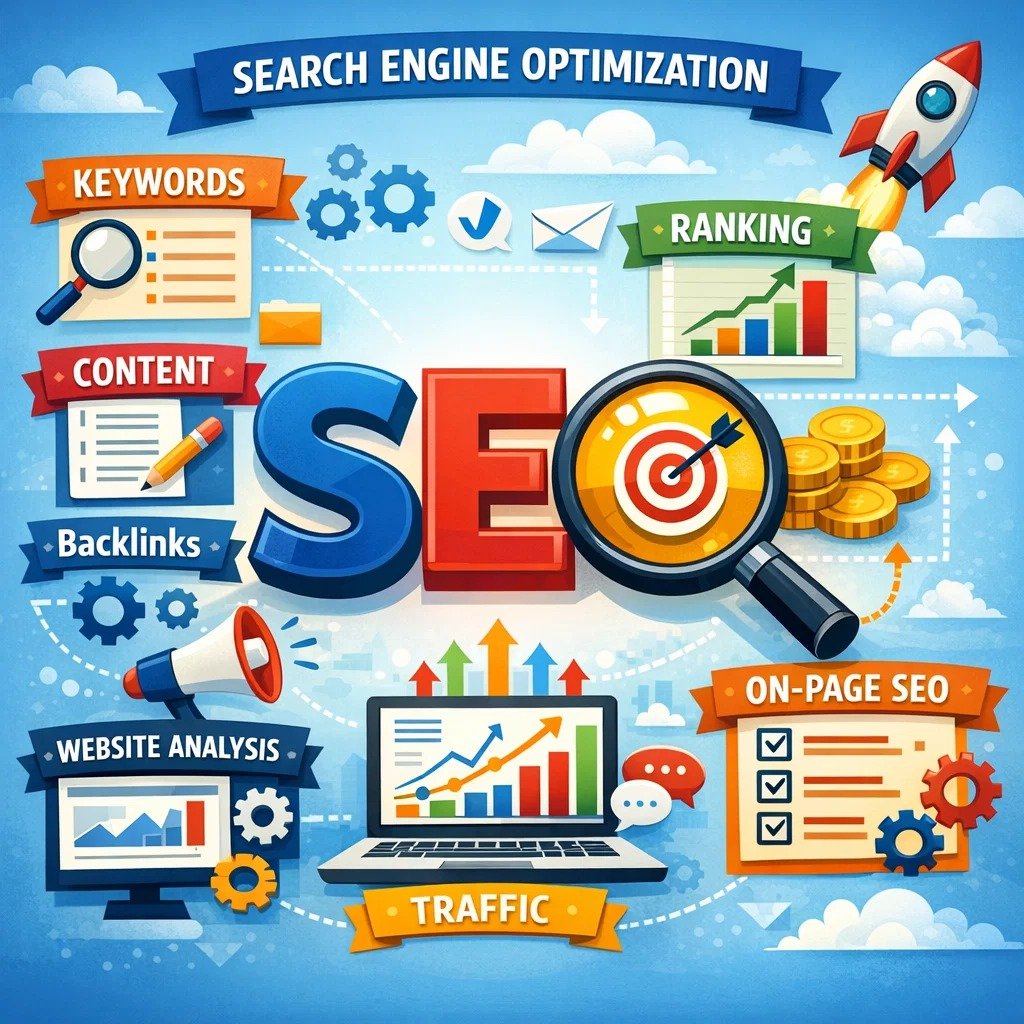
Importance of Social Media Marketing
Social media marketing plays a crucial role in modern business strategies. It provides companies with the opportunity to interact directly with their audience and understand customer preferences. Unlike traditional marketing methods, social media marketing allows businesses to engage with users in real time.
One of the main advantages of social media marketing is its ability to increase brand visibility. When businesses regularly post valuable and engaging content, more people become aware of their brand. This visibility can lead to higher website traffic, increased leads, and improved sales.
Another important benefit is cost-effectiveness. Social media platforms offer both free and paid promotional options. Small businesses and startups can start promoting their products with minimal investment and gradually scale their marketing campaigns as their business grows.
Major Social Media Platforms for Marketing
There are several social media platforms that businesses use for marketing purposes. Each platform has unique features and attracts different types of audiences.
Facebook is one of the most widely used social media platforms. Businesses use Facebook pages to share updates, images, videos, and promotional offers. Facebook also offers advanced advertising tools that allow companies to target specific audiences based on age, location, interests, and behaviour.
Instagram is another popular platform, especially among younger audiences. It focuses on visual content such as photos, reels, and short videos. Many brands use Instagram to showcase their products creatively and collaborate with influencers to increase reach.
LinkedIn is mainly used for professional networking and business marketing. Companies use LinkedIn to promote their services, share industry insights, and connect with professionals.
YouTube is the world’s largest video-sharing platform. Businesses use YouTube to create educational videos, product demonstrations, tutorials, and promotional campaigns.
Other platforms such as Twitter (X), Pinterest, and Snapchat are also used depending on the marketing goals and target audience.
Key Components of Social Media Marketing
Successful social media marketing involves several important components. Businesses must carefully plan their strategy to achieve the best results.
Content Creation
Content is the foundation of social media marketing. Businesses must create high-quality and engaging content that attracts the attention of users. This content may include images, videos, blogs, infographics, and live sessions.
Informative and entertaining content encourages users to like, comment, and share posts, which increases the overall reach of the brand.
Audience Engagement
Engagement is another essential aspect of social media marketing. Businesses should interact with their audience by replying to comments, answering queries, and participating in discussions. This interaction helps build trust and strengthens customer relationships.
Social Media Advertising
Social media platforms offer advertising options that allow businesses to promote their products to a wider audience. These advertisements can appear as sponsored posts, stories, or video ads.
Paid advertising helps businesses reach potential customers quickly and generate leads or sales.
Analytics and Performance Tracking
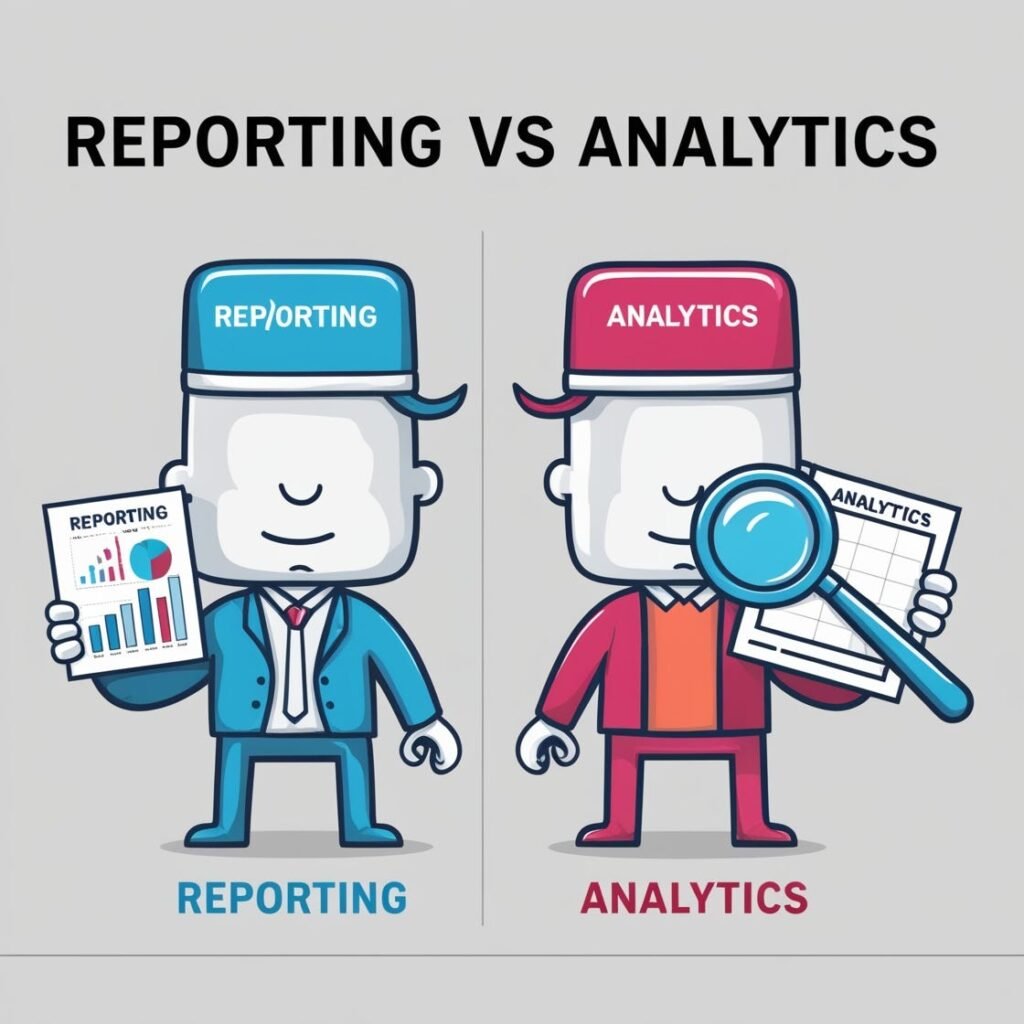
Tracking the performance of social media campaigns is important to understand their effectiveness. Platforms provide analytics tools that show data such as reach, engagement, impressions, and conversions.
By analysing these metrics, businesses can improve their strategies and create better content for their audience.
Benefits of Social Media Marketing
Increased brand awareness
Higher customer engagement
Improved website traffic
Better customer insights
Cost-effective marketing
Enhanced brand loyalty
Faster communication with customers
These advantages make social media marketing one of the most powerful tools in digital marketing.
Skills Required for Social Media Marketing
To succeed in social media marketing, professionals need several important skills. These include creativity, communication, content creation, data analysis, and knowledge of social media trends.
Marketers must also understand how different social media algorithms work and how to optimise content for maximum reach. Learning tools for scheduling posts, analysing data, and managing campaigns is also beneficial.
Challenges in Social Media Marketing
Although social media marketing offers many benefits, it also comes with certain challenges. One major challenge is the increasing competition among brands. With millions of businesses promoting their products online, standing out from the crowd can be difficult.
With the right strategy, creative content, and continuous analysis of performance, social media marketing can deliver excellent results for businesses of all sizes. As digital technology continues to evolve, social media marketing will remain a key component of successful digital marketing strategies.
Negative feedback or criticism from users is also possible on social media. Businesses must handle such situations professionally and maintain a positive brand image.
Future of Social Media Marketing
The future of social media marketing looks very promising. With the increasing number of internet users and the growth of mobile technology, social media platforms will continue to play an important role in marketing strategies.
New trends such as short-form video content, influencer marketing, live streaming, and artificial intelligence are transforming the way businesses interact with customers online.
Companies that adopt these trends and create innovative content will have a competitive advantage in the digital marketplace.
Conclusion
Social media marketing has become an essential tool for businesses to connect with their audience and promote their products effectively. By using platforms such as Facebook, Instagram, LinkedIn, and YouTube, companies can increase brand awareness, engage with customers, and drive business growth.
With the right strategy, creative content, and continuous analysis of performance, social media marketing can deliver excellent results for businesses of all sizes. As digital technology continues to evolve, social media marketing will remain a key component of successful digital marketing strategies.